Understanding the acupressure mat manufacturing process is essential for international wellness brands, Amazon FBA sellers, and B2B buyers looking to establish a successful product line. When sourcing products from China, evaluating a factory goes far beyond comparing wholesale prices. Knowing how a mat is produced—from raw material selection to final quality inspection—allows you to assess product durability, safety, and brand consistency.
As a professional acupressure mat factory, Shanghai Fuguang Plastic Products Factory builds quality into every step of the production line. Here is a comprehensive, step-by-step breakdown of how a premium OEM acupressure mat is manufactured.
Step 1 – Raw Material Selection & Inspection
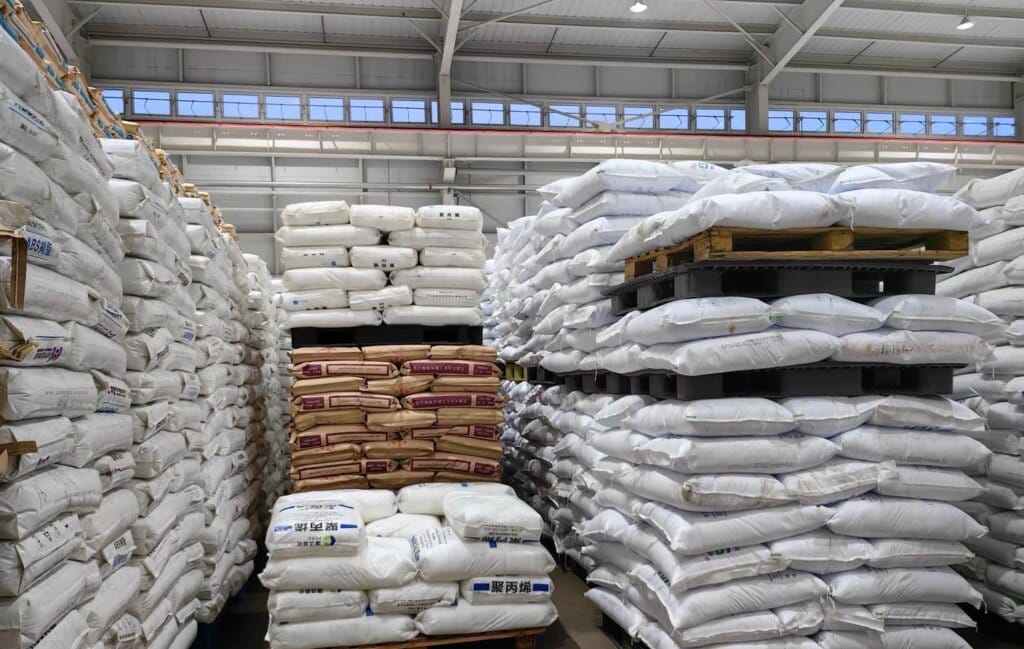
The foundation of high-quality acupressure mat manufacturing lies in selecting safe, durable, and eco-friendly raw materials. Premium materials ensure long-term wear resistance and skin safety for end consumers.
Fabric Cover: Standard mats typically use 100% natural cotton canvas, while high-end or eco-friendly mats feature 100% natural linen or organic cotton.
Spike Discs: High-impact, non-toxic ABS plastic is used for the spike discs. ABS is chosen for its rigidity, skin safety, and resistance to deformation over long-term use.
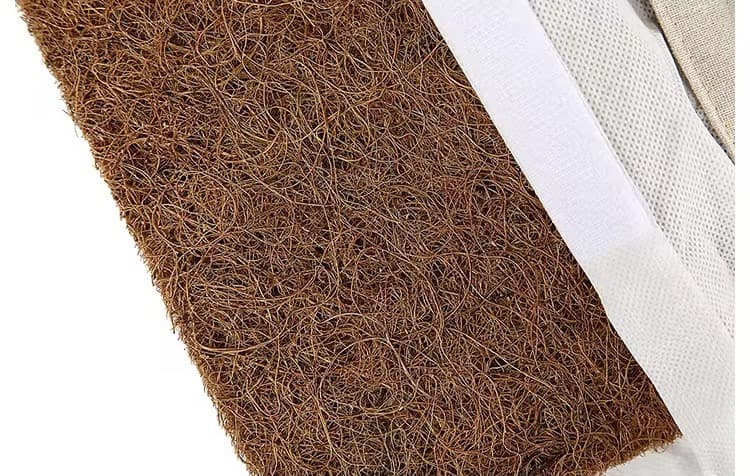
Inner Core: Depending on your market positioning, the filling consists of either high-density PU foam (for flexible, affordable support) or 100% natural coconut coir fiber (for firm, ergonomic, and breathable support).
Buyer Tip: Ensure your acupressure mat supplier uses pre-shrunk fabrics and skin-safe, non-toxic ABS materials that align with international compliance standards such as OEKO-TEX or RoHS.
Step 2 – Precision Fabric Cutting
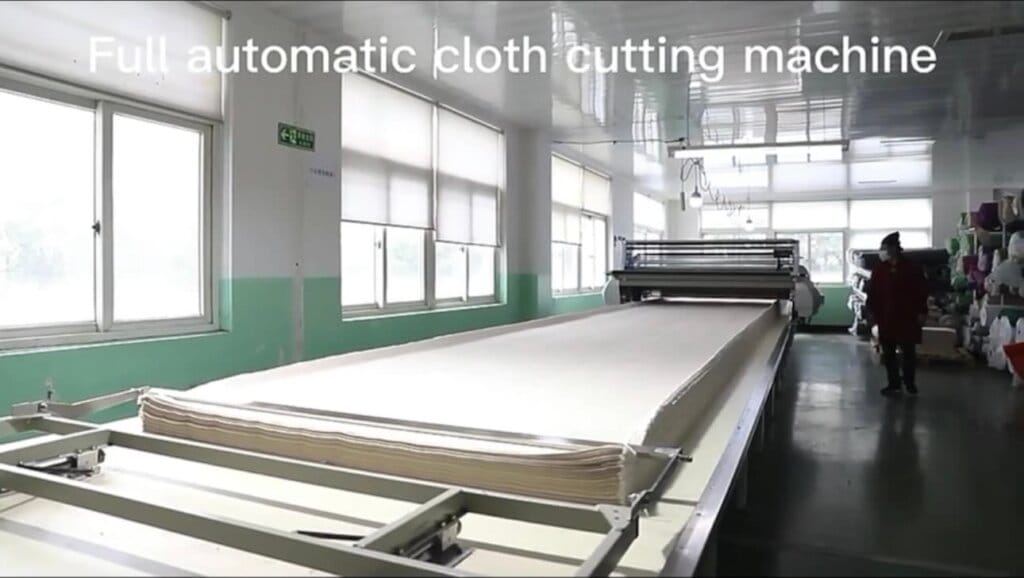
Once raw materials pass incoming inspection, the outer fabric covers are prepped for mass production through precision cutting.
To guarantee exact dimensions across thousands of units, our acupressure mat factory utilizes automated CAD lay-planning and precision fabric cutters. Accurate cutting ensures:
Dimensional Consistency: Every mat cover matches the specified tech pack dimensions precisely.
Minimal Fabric Waste: Efficient nesting layouts reduce material waste, helping keep wholesale production costs competitive.
Clean Edges: Smooth, fray-free edges make subsequent sewing and zipper assembly faster and stronger.
Attaching the spiked discs to the fabric cover is the most critical technical step in the acupressure mat manufacturing process.
While low-end manufacturers use chemical adhesives (glues) that can off-gas toxic odors or peel off over time, a reputable OEM acupressure mat manufacturer employs glueless heat-welding technology.
Thermal Bonding: High-temperature melting heads press the ABS spike discs directly onto the fabric, melting tiny plastic anchor pins through the weave to lock them permanently into place.
Precise Alignment: Automated or guided clamping jigs ensure consistent spacing and perfectly straight rows across the entire surface of the mat.
Durable Attachment: Heat-welded spikes will not detach during regular handling, washing, or international transit.
Step 4 – Reinforced Sewing and Zipper Assembly
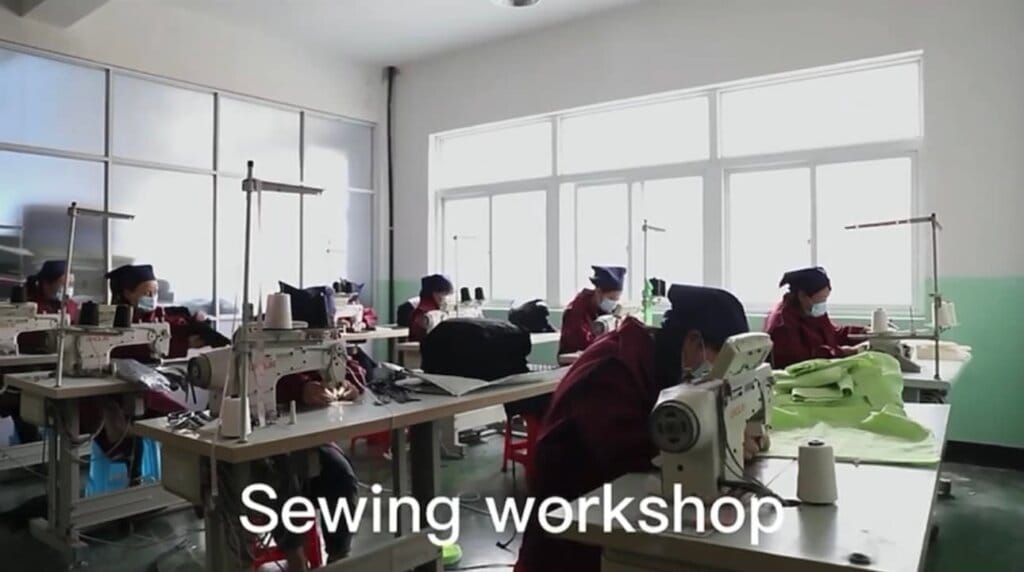
Once the spike discs are permanently secured, the fabric panels move to the sewing line for structural assembly.
A high-quality private label acupressure mat requires meticulous stitching to withstand the pressure of daily bodily use and frequent core insertion/removal:
Reinforced Seams: Double-stitched borders prevent seam popping under tension.
Hidden Zipper Enclosures: Smooth, durable zippers are installed with protective fabric flaps, ensuring the zipper metal never scratches the user’s floor or skin.
Integrated Straps & Handles: Heavy-duty cotton or linen carrying handles are bartacked into the main seam for enhanced load-bearing strength.
Step 5 – Core Filling & Cushion Shaping
The choice of internal filling directly impacts user comfort, product longevity, and shipping volume.
Foam Insertion: High-density foam cores are manually or semi-automatically inserted into the stitched fabric shells, ensuring the corners are completely filled without bunching.
Coconut Coir Wrapping: Natural coconut coir fiber sheets are first wrapped in a protective non-woven cotton inner liner before being zipped into the outer linen cover. This dual-layer protection keeps coconut fibers contained and prevents moisture buildup.
Step 6 – Rigorous Quality Control (QC Inspection)
Quality control is the core of reliable manufacturing. Every batch produced in our factory must pass a systematic inspection checklist before moving to the packaging line:
✔ Fabric Inspection: Checking for dye lot inconsistencies, snags, or stains. ✔ Spike Attachment Test: Pull-testing random spike discs across each batch to ensure zero detachment under tension. ✔ Sewing & Zipper Check: Inspecting seam strength, thread tail trimming, and smooth zipper operation. ✔ Dimension & Weight Measurement: Verifying that mat length, width, and filling density meet exact buyer specifications. ✔ Metal Detection: Passing finished covers through needle detectors to ensure no broken sewing needles remain inside the product.
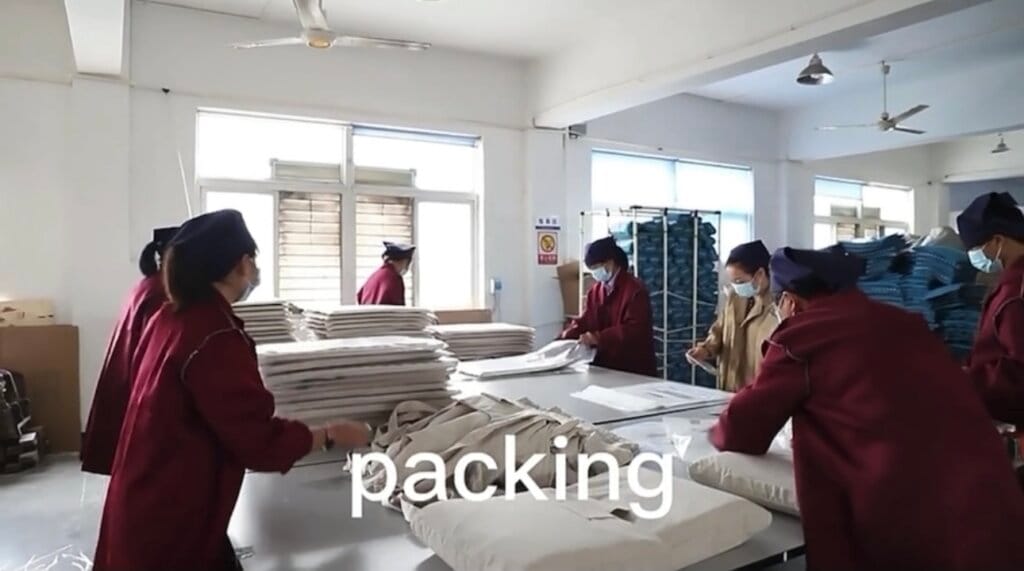
Step 7 – Custom Branding & Packaging
The final step transforms raw manufactured goods into retail-ready, custom-branded products ready for global distribution.
As an experienced acupressure mat supplier, we support full private label packaging customization:
Inner Protective Packaging: Moisture-resistant polybags or eco-friendly tissue paper wraps.
Custom Carry Bags: Branded cotton canvas, linen, or mesh bags with embroidered or printed logos.
Retail Boxes & FBA Prep: Custom corrugated color boxes with barcode labeling, soy ink printing, and master carton export packaging optimized for ocean freight or Amazon FBA storage.
Screenshot
Why Manufacturing Experience Matters for OEM Buyers
Partnering with an experienced acupressure mat factory provides significant advantages for long-term business growth:
Production Stability: Experienced factories maintain strict standard operating procedures (SOPs), ensuring the 10th batch matches the quality of the 1st batch.
Fewer Defects & Returns: Rigorous in-house QC dramatically lowers end-consumer return rates on platforms like Amazon.
Efficient Communication: Direct factory engineers understand your customization requirements quickly, speeding up sample lead times and mass production.
At Shanghai Fuguang Plastic Products Factory, we specialize in manufacturing high-end, customizable wellness gear for international brands, distributors, and online sellers.
We provide full OEM and private label support, including:
Sample Lead Time: 5–10 days (custom material swatches and logo prototyping available).
Production Lead Time: 20–30 days depending on order volume and packaging complexity.
Export Packing: Heavy-duty, moisture-resistant master cartons for international shipping.
Frequently Asked Questions
Q1: How long does the acupressure mat manufacturing process take for bulk orders? Mass production typically takes 20 to 30 days after sample approval and deposit confirmation, depending on your custom packaging requirements and order quantity.
Q2: Can OEM customers customize the materials used in production? Yes. You can customize the outer fabric (cotton/linen), spike disc material and color, inner core filling (foam/coconut coir), dimensions, and packaging designs.
Q3: Do you provide pre-production samples before mass manufacturing? Yes. We produce fully customized pre-production samples (including custom logos and packaging proofs) for buyer approval prior to starting bulk production.
Q4: What quality inspections are performed during manufacturing? We conduct raw material incoming checks, spike attachment pull-tests, sewing inline inspections, needle detection, and final pre-shipment packaging audits.
Conclusion
Understanding the acupressure mat manufacturing process empowers wellness brands to choose the right partner, control product quality, and build a high-margin, sustainable product line.

Pingback: How to Choose an Acupressure Mat Manufacturer | OEM Buying Guide
Pingback: Wholesale Acupressure Mat Supplier in China | OEM & Bulk Orders